
The supplement industry has become a 37 billion dollar health craze machine. But are all supplements created equally? Are supplements the magic wonder pills that they purport to be or should a cautionary approach and food first baseline be the methodology for healthy living?
Vitamins were first introduced between 1929 and 1943 with Nobel Prizes being awarded to the researchers who were able to synthesize 12 of the essential vitamins. These vitamins were added to foods that had lost nutrients during the processing phase and became known as “fortified”. The notion was, what can be removed from foods can be added in synthetic form to create equally nutritional solutions to nutrient-poor diets.
Perforate St Johns-wort. You may have heard of it, as it is one of the most popular herbal supplements in the United States. In 2000, there was a study that went out to show that his supplement changed the effectiveness of many drugs such as birth control or antibiotics.
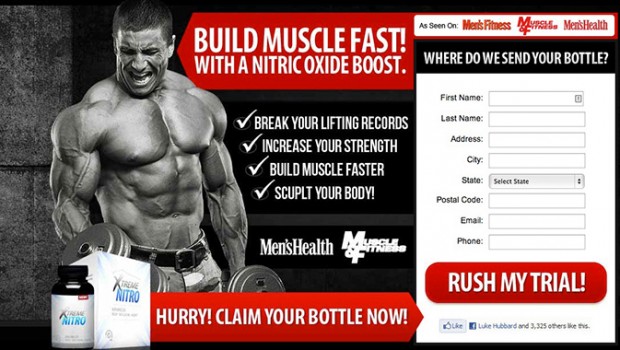
But there are more issues with weight loss and muscle building supplements. According to Health Day News, supplements for weight loss and muscle building/pre-workout powder can trigger medical problems in the future. “The [U.S. Food and Drug Administration] has issued countless warnings about supplements sold for weight loss, muscle-building or sports performance, sexual function and energy, and we know these products are widely marketed to and used by young people.” There was a study completed from 2004 to 2015 by the FDA who reported medical problems that are directly associated with supplements on people younger than 25. 40% of the 1000 incidents that were reported, were severe and some even led to death. Some studies have found that muscle building and weight loss supplements can cause strokes, testicular cancer or even liver damage.
Supplements are unregulated, especially for teens. Since you do not need to get them over the counter people think “they must be safe”, but this is not always the case. Dr. Jeffrey Saland of Mount Sinai Health System believes that “ teens are more susceptible to all of the things, one of which is peer pressure, and one of which is body image. So in a sense teens are a little more susceptible.” Many supplements that are marketed to build muscle have shown a serious link to kidney and liver damage. People do not think of supplements, the same way they think of medication.
There is an issue surrounding the marketing of these supplements because most of them are not good. There are many supplements that are made with man-made ingredients that have not been fully tested, causing uncertainty for the customer. Many of the supplements can cause damage to the body.
According to the FDA, an ingredient in supplements may cause miscarriages or even problems with development during pregnancy. There have been warnings towards women to stop/do not use supplements containing “vinpocetine”. Vinpocetine is a man-made chemical that is used as a medicine. Although it is used in weight loss and muscle supplements, it is also used to prevent Alzheimer’s as it is believed to improve blood flow to the brain, which could prevent the disease (or any other disease related to memory & processing information). This sounds great, right? But it is even “exactly” known how this man-made drug even works. It “might” to do this, or that, but it also “might” lead to death. On Web MD, “Vinpocetine appears to be POSSIBLY SAFE for most people when taken by mouth appropriately.” “Possibly safe”! This ingredient is in many supplements, and no one is aware of the many side effects. Most supplements with this ingredient are marketed to improve focus, energy, or weight loss. Recently, many dietary supplements which contain vinpocetine are being “reviewed” because in the US vinpocetine is not “approved” to treat. In 2016, the FDA concluded, “that vinpocetine doesn’t fit the definition of a dietary ingredient and thus can’t be marketed as — or be an ingredient in — dietary supplements.” Yet, this drug is still found in many supplements.
Although there can be good supplements for your body, you should only take them when you truly need it. There are side effects with every drug, even supplements. Some are more severe than others but avoiding these as best as you can reduce the risk.
Teens are taking these supplements like they are nothing. A survey in the mid-2000s was done to show that 50% of the adult’s surveys took at least one supplement a day-but these pills have been proven to be sometimes dangerous and even ineffective.
There is no clear evidence, but a 2016 Study from the New England Journal found that “23,005 emergency room visits a year were linked to supplements”. By eating foods that are high in nutrients and living a healthy lifestyle, is the best option for the body.
Work Cited:
CBS New York. (2019, June 05). Study: Some Teens Using Dietary Supplements Could Be At Risk For Serious Harm. Retrieved June 7, 2019, from https://newyork.cbslocal.com/2019/06/05/teens-dietary-supplements-harm/
Reinberg, S. (2019, June 05). Many Dietary Supplements Dangerous for Teens. Retrieved June 7, 2019, from https://consumer.healthday.com/vitamins-and-nutrition-information-27/nutritional-supplements-health-news-504/many-dietary-supplements-dangerous-for-teens-747120.html
Rettner, R. (2019, June 04). Dietary Supplement Ingredient Linked to Miscarriages, FDA Warns. Retrieved June 7, 2019, from https://www.livescience.com/65629-vinpocetine-supplements-miscarriages.html
The $37 billion supplement industry is barely regulated – and it’s allowing dangerous products to slip through the cracks. (n.d.). Retrieved June 7, 2019, from https://amp.businessinsider.com/supplements-vitamins-bad-or-good-health-2017-8
Vinpocetine: Uses, Side Effects, Interactions, Dosage, and Warning. (n.d.). Retrieved June 7, 2019, from https://www.webmd.com/vitamins/ai/ingredientmono-175/vinpocetine

 Olivia's Blog